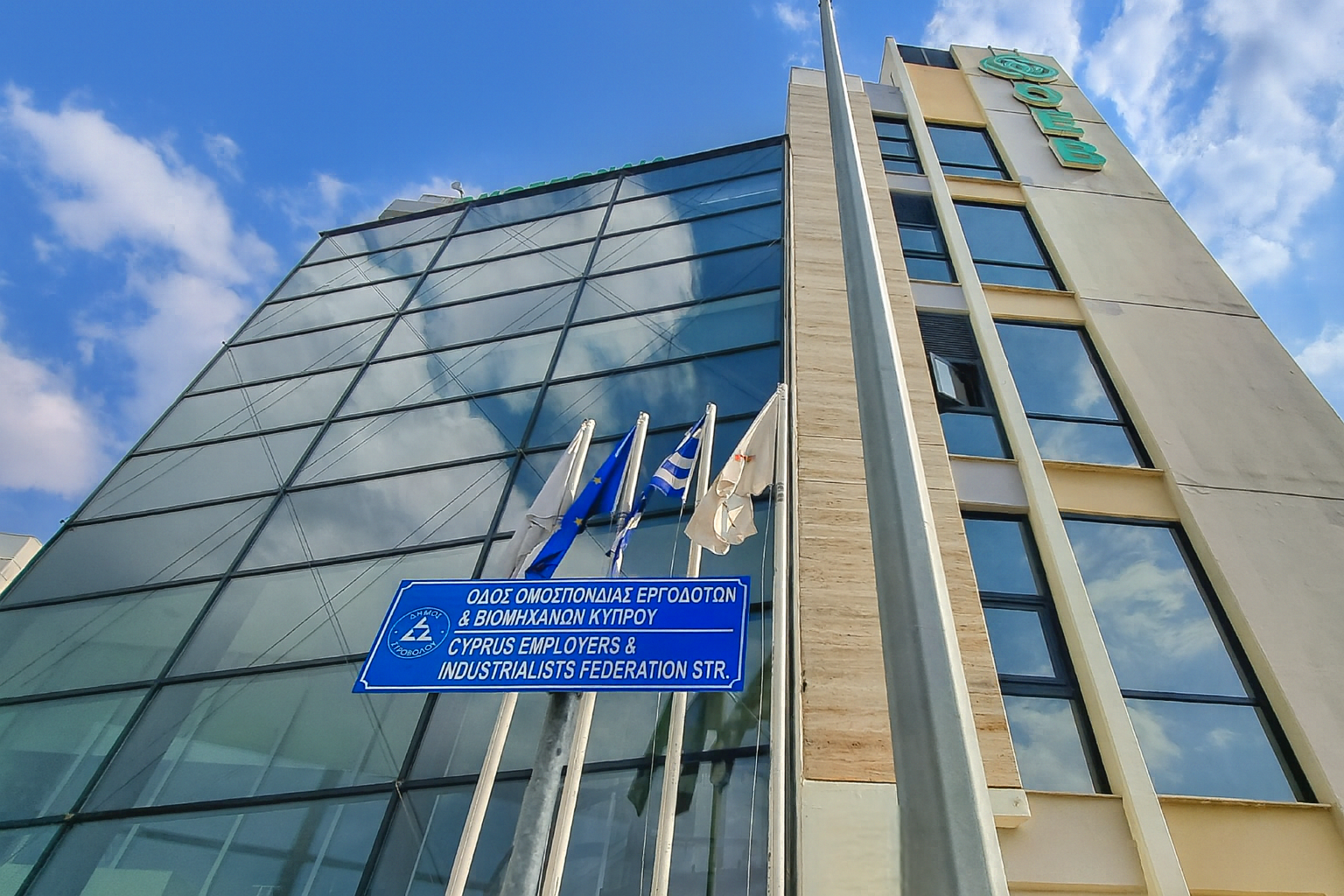
The Federation of Employers and Industrialists (OEB) expresses strong concerns about the recent public statements and threats of strike measures in the hospitals of the State Health Services Organization (OKYPY), on the occasion of the alleged understaffing of nursing staff.
It is unfortunate, to say the least, that public sector nurses are the most affected by the global shortage of nursing staff, as this is significantly different from reality and creates a false and misleading image.
According to reports by trade unionists, OKYPY needs 120 additional nurses, while it already employs about 2,800, mainly in the clinical field. With simple mathematics, 60%–70% of the country’s nurses work for a provider that covers 30%–35% of GHS activities. The demand for new hires in the public sector essentially means that a corresponding number of nurses will be transferred from the private sector, which will suffer the consequences of an even greater understaffing. Equally problematic is the claim that 5% of nurses in public hospitals are on long-term leave, while in private hospitals the corresponding percentage does not exceed 1%.
It is recalled that private hospitals operate within a strict legislative framework, which determines not only the necessary infrastructure and specifications, but also strict ratios of nursing staff per patient — ratios that are even higher than those applied in almost all European countries.
In order to address the recognized acute shortage of nursing staff both in private hospitals and in other health structures, OEB repeatedly participated in meetings and submitted specific, simple and clear solutions:
- Granting permission to employ nurses with appropriate qualifications from third countries as a temporary solution.
- employment of foreign nurses – graduates of Cypriot schools of Nursing
- Temporary modification of the ratio of nurses to patients in private hospitals.
- employment on a proportional basis or in health structures where there is no contact between the nurse and the patient and knowledge of the Greek language is not required.
- utilization of health caregivers to strengthen clinics/departments in private and public hospitals.
- commitment to learning the Greek language by third-country nurses.
Procrastination in decision-making and pressure through threats of strikes do not help to solve the problem; on the contrary, they undermine the overall functioning of the GHS and create unnecessary insecurity for patients.
The reality is clear: the problems of the public health sector cannot be addressed by draining the private sector, which is already bearing a disproportionate burden.
OEB calls on the Ministry of Health for the umpteenth time to finally proceed with the implementation of what has been repeatedly announced, in order to meet the immediate and pressing needs of the private health sector, which requires at least 400 nurses to be able to continue operating smoothly and safely. Continued inaction no longer leaves room and jeopardizes the sustainability of critical health services.